

Eating Disorder Therapy in NYC and Online
You know exactly how much you ate yesterday. You've already planned how to make up for it. And somehow, from the outside, everyone thinks you're the disciplined one.
Eating disorders are good at hiding, especially in people who are used to being in control. You don't have to be underweight, or "sick enough," to deserve help. If food, exercise or your body is taking up more space in your head than you want it to, that's reason enough.
What we help with
- Anorexia, bulimia and binge eating disorder
- Disordered eating that doesn't fit a neat diagnosis: chronic dieting, rigid food rules, cycles of restricting and overeating
- Compulsive exercise, when training stops being a choice and missing a workout feels like a crisis
- Body image distress that colors how you dress, date, work and show up
- Eating concerns in athletes, including under-fueling and the pressure that comes with sports where body size feels like part of performance
- Eating disorders alongside anxiety, OCD, trauma or substance use, which is more common than not
Why athletes and high achievers come to us
The traits that make you good at things (discipline, drive, a high tolerance for discomfort) are the same ones an eating disorder exploits. Rigid routines look like dedication. Restriction looks like willpower. Coaches, colleagues and even doctors can miss it.
We understand that world from the inside. One of our therapists competed as a Division I heptathlete and founded a community for female athletes dealing with body image and disordered eating. We know recovery can't mean "stop caring about performance." It means building a body and a relationship with food that can actually sustain it.
How we treat eating disorders
We provide outpatient therapy: weekly sessions, in person or online, while you keep living your life.
- CBT for eating disorders. Targets the cycle of restriction, bingeing and compensating, and the beliefs about food and weight that keep it going.
- DBT skills for the emotions that eating behaviors are often managing.
- Body image work that goes beyond "love your body" to changing how much your body dictates your worth.
- Root-level work. Understanding what the eating disorder has been doing for you, whether that's control, numbing or a sense of safety, so it's not the only tool you have.
- A team approach. Recovery goes better with a dietitian and medical doctor involved. We coordinate with your providers and can help you find them.
Some people need more support than weekly therapy can give. If that's the case, we'll be honest with you and help you find the right level of care, then be there when you step back down.
Therapists who specialize in eating disorders

Alexis Sturnick, LCSW, PMH-C
Our founder. Online. Completed postgraduate training in eating disorders, compulsions and addictions at the William Alanson White Institute and is a member of the International Association of Eating Disorder Professionals.
Read more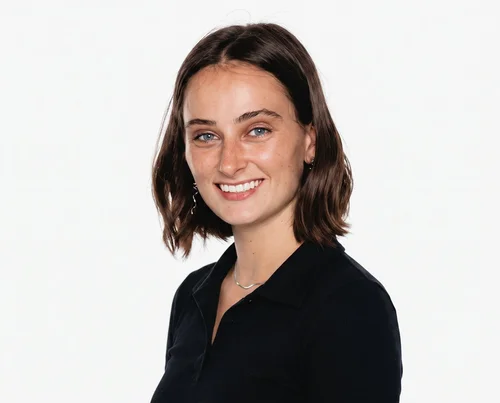
Lily Dumas, MA, MHC-LP
Online. Former Brown University track and field captain, with clinical experience in therapeutic meal support, body image, disordered eating and compulsive exercise. Founded "Strong is Beautiful," a 200-plus member community for female athletes.
Read more
Dr. Lauren Hoffman, LCSW, PhD
In person in Port Washington. DBT-certified, with training in eating disorders.
Read moreEating disorder therapy FAQ
Do I need a diagnosis to get help?
No. Many of our clients have disordered eating that doesn't meet a formal diagnosis and still takes up a huge amount of their life. If it's affecting you, it's worth addressing.
Can you treat eating disorders online?
Yes, for many people. Online therapy works well for outpatient eating disorder treatment, especially alongside a dietitian and regular medical check-ins.
What is compulsive exercise?
Compulsive exercise is exercise driven by guilt, anxiety or a need to compensate for eating, rather than enjoyment or training goals. Signs include exercising through injury or illness and feeling panicked when you miss a session.
Do you work with athletes?
Yes. We understand the specific pressures of competitive and recreational sport, including under-fueling, body comparison and identity tied to performance.
What if I need more than weekly therapy?
We'll tell you honestly and help you connect with a higher level of care, such as an intensive outpatient program. Many clients return to us when they step down.
Will you make me change my eating right away?
No. We start by understanding what's going on and what you want. Change happens at a pace that feels manageable, with your safety in mind.
Can I use my insurance?
Many of our clients use out-of-network benefits, and we provide monthly superbills to make reimbursement easier. We're in network with Northwell Direct, and some of our therapists are in network with other plans. We'll help you figure out your options during your free consultation. See cost and insurance details.
You deserve help now, not when it gets worse
Book a free 15-minute consultation and we'll match you with a therapist who understands eating disorders.