Athlete Mental Health: Understanding the Whole Person Behind the Performance

Why Sports Culture is Evolving — And Why Mental Health is at the Center
If you look back far enough, you will see that sport has never been just about play. From ancient arenas to modern stadiums, athletics have been fueled by pride, politics, identity, entertainment, and power.
While we don’t see athletes today fighting lions, many are still navigating a culture shaped by those same historical themes: winning equaling worth, pain as proof of commitment, and toughness above all.
But something is shifting.
We now know more than ever about athlete mental health, trauma, brain development, injury risk, and long-term performance stability than ever before. Research and lived experience show us something important:
Athlete mental health, trauma-informed care, and sports psychology are no longer fringe concepts — they are essential to sustainable performance.
An athlete is never just an athlete.
The Traditional Sports Model: Performer First, Human Second
Many of us were raised in systems that taught:
“Toughen up.”
“Second place is the first to lose.”
“Winners push through.”
These messages did not always come with malicious intent. In fact, they were often rooted in a desire to build discipline, resilience, and support passion.
However, over time, a subtle shift occurred:
Performance became identity
Mistakes became character flaws
Rest became weakness
When performance is prioritized over humanness, athletes may learn to ignore their bodies, mute their emotions, and disconnect from their needs in the name of success.
This approach can produce short-term results, but it can also contribute to performance anxiety in athletes, burnout, overtraining, identity confusion, and long-term mental health strain.
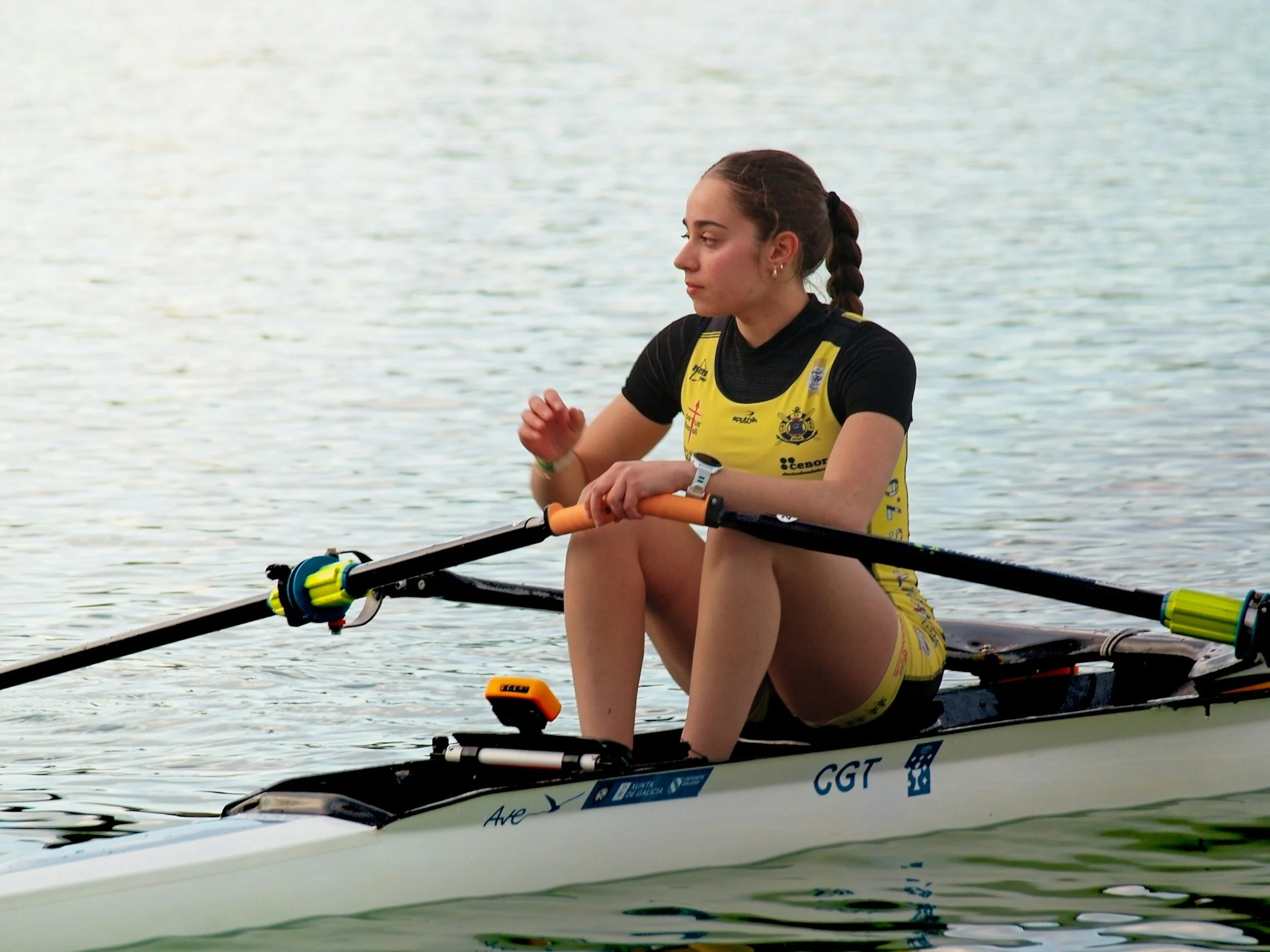
“When performance is prioritized over humanness, athletes may learn to ignore their bodies, mute their emotions, and disconnect from their needs in the name of success.”
The System Behind Athletic Performance
Every athlete exists within a dynamic web. When an athlete steps onto a field, court, or track, they are not stepping out alone. With them comes:
A parent’s sacrifices and hopes
A coach's expectations and leadership style
Teammate dynamics
Social media influence
Cultural identity
Injury history
Financial investment
Development stage
Past experiences (including painful ones)
Performance does not happen in isolation. It happens within a web of relationships and influences.
A wobble on the beam, a stutter to a hurdle, a throw made just too short are rarely just technical mistakes. They may carry:
Fear of letting someone down
Memories of past criticism
Scholarship pressure
A nervous system response to shame
Academic stress or sleep deprivation
When we understand athletes through a sports psychology and person-in-environment lens, their reactions make more sense, and our responses can become more thoughtful.
This perspective does not remove accountability.
It deepens it.

“When we understand athletes through a sports psychology and person-in-environment lens, their reactions make more sense, and our responses can become more thoughtful.”
Why Mental Health and Development Matter in Sports Psychology
Athletes are not static performers. They are developing humans.
In youth sports, adolescents are navigating identity formation, emotional regulation, and brain development, all while often training at a high intensity. Adults may be balancing career transitions, financial stress, injury recovery, or parenting.
The nervous system does not separate “sport stress” from “life stress.” It processes it all as stress.
What may be labeled as attitude, withdrawal, or perfectionism can also be signs of overwhelm. What appears to be “not caring” may be a protective response.
When we integrate mental health support for athletes into sport culture, we are not weakening performance. We are strengthening resilience, mental strength, recovery, and longevity, and to perform, both in sport and life.
Building a Healthier Sports Culture: The Whole Ecosystem
The evolution of sports culture cannot fall on athletes alone.
Parents help shape how success and failure are interpreted.
Coaches model communication, regulation, and leadership.
Athletes learn how to relate to themselves through these interactions.
Culture is built in small daily moments:
What we praise versus what we tolerate
How we respond to mistakes
How we handle rest and recovery
How we speak about mental health in sports
When everyone within the ecosystem becomes more aware, the entire system strengthens. We do not have to choose between excellence and humanity. The future of sport depends on integrating both.
How Therapy Can Support the Athletes and Families
Therapy is not only for moments of crisis. It can also be a proactive, performance-supportive space for:
Athletes navigating pressure, injury, identity, mental blocks, anxiety, or burnout
Parents learning how to support without overextending
Coaches reflecting on leadership, communication, and team culture
Families working through expectations and transitions
Because the athlete exists within a web, support for one part of the system often benefits the entire web.
If you or someone you know is navigating the pressure of competitive sports, sports-psychology-informed therapy can provide a thoughtful, collaborative space to build resilience, clarity, and sustainable performance both inside and outside of athletics.
You do not have to untangle the system alone. If you're ready to take that next step, reach out to our team at Resilience Therapy — we're here to help.